General

Shree Jagannath Temple, Puri

Puri , Odisha Deity: Lord Jagannath
Acharya Radhika
Acharya Radhika (Verified Astrologer) September 2, 2026
Read in:

On the sacred coast of Odisha stands one of India's most revered pilgrimage destinations—the Shree Jagannath Temple of Puri. Dedicated to Lord Jagannath, a revered form of Lord Vishnu, the temple is one of the most important Vaishnavite pilgrimage centres in India and holds a special place in the spiritual traditions of Odisha.

For millions of devotees, the Jagannath Temple is much more than an ancient monument. It is a living centre of devotion where Lord Jagannath, along with his elder brother Balabhadra and sister Subhadra, is worshipped with deep faith and elaborate rituals.

The temple is also one of the four sacred Char Dham pilgrimage sites of Hinduism, making Puri an especially important destination for devotees undertaking a traditional pilgrimage across India.

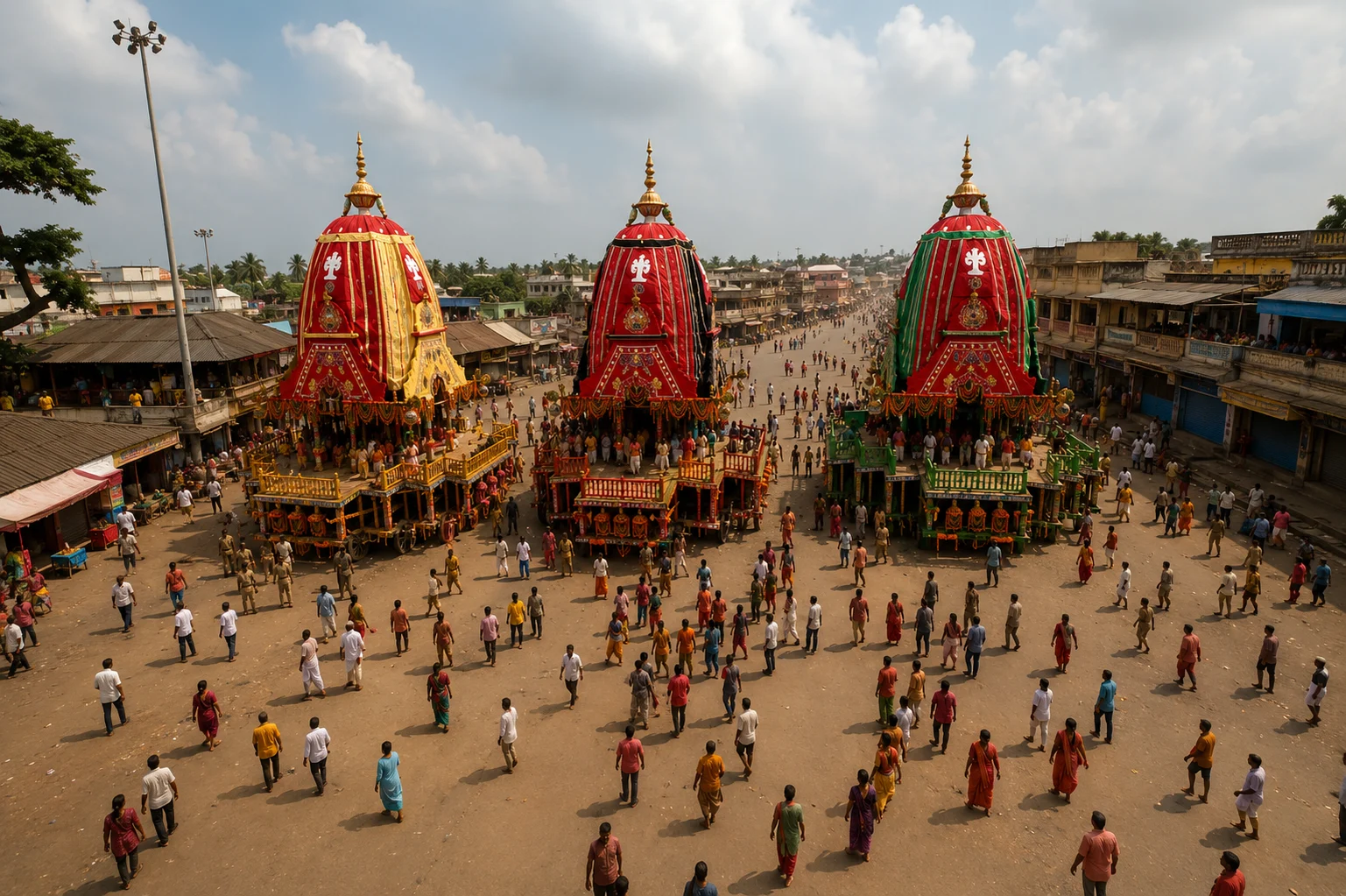
The annual Rath Yatra is the temple's most famous festival. During this extraordinary celebration, the deities leave the sanctum and travel in enormous wooden chariots through the streets of Puri, attracting millions of devotees and visitors from across India and around the world.

Shree Jagannath Temple – Quick Details

Information Details
Temple Name Shree Jagannath Temple
Popular Name Jagannath Temple / Puri Jagannath Temple
Location Puri, Odisha, India
State Odisha
Main Deity Lord Jagannath
Other Principal Deities Balabhadra and Subhadra
Religious Tradition Hinduism & Vaishnavism
Famous For Char Dham and Rath Yatra
Major Festival Rath Yatra


History & Significance

The history of the Jagannath Temple is deeply connected with the religious and cultural heritage of Odisha.

The present temple is traditionally associated with the Eastern Ganga dynasty and is generally attributed to King Anantavarman Chodaganga Deva, who began its construction in the 12th century. Later rulers contributed to the temple complex and its traditions.

The temple is dedicated to Lord Jagannath, whose name is commonly understood as "Lord of the Universe." Along with Jagannath, the temple worships his elder brother Balabhadra and sister Subhadra as the principal deities.

One of the most distinctive features of Jagannath worship is the form of the deities themselves. Unlike the conventional stone or metal images found in many Hindu temples, the principal deities are traditionally made of sacred wood and are periodically renewed through the special ritual known as Nabakalebara.

Puri is also regarded as one of the four Char Dham pilgrimage sites, alongside Badrinath, Dwarka and Rameswaram. This gives the temple an exceptional position within Hindu pilgrimage traditions.

The temple's traditions extend far beyond its main shrine. Its daily rituals, festivals, Mahaprasad tradition and annual Rath Yatra have made Jagannath culture an important part of Odisha's identity.

Additional Information

Where Is Shree Jagannath Temple Located?

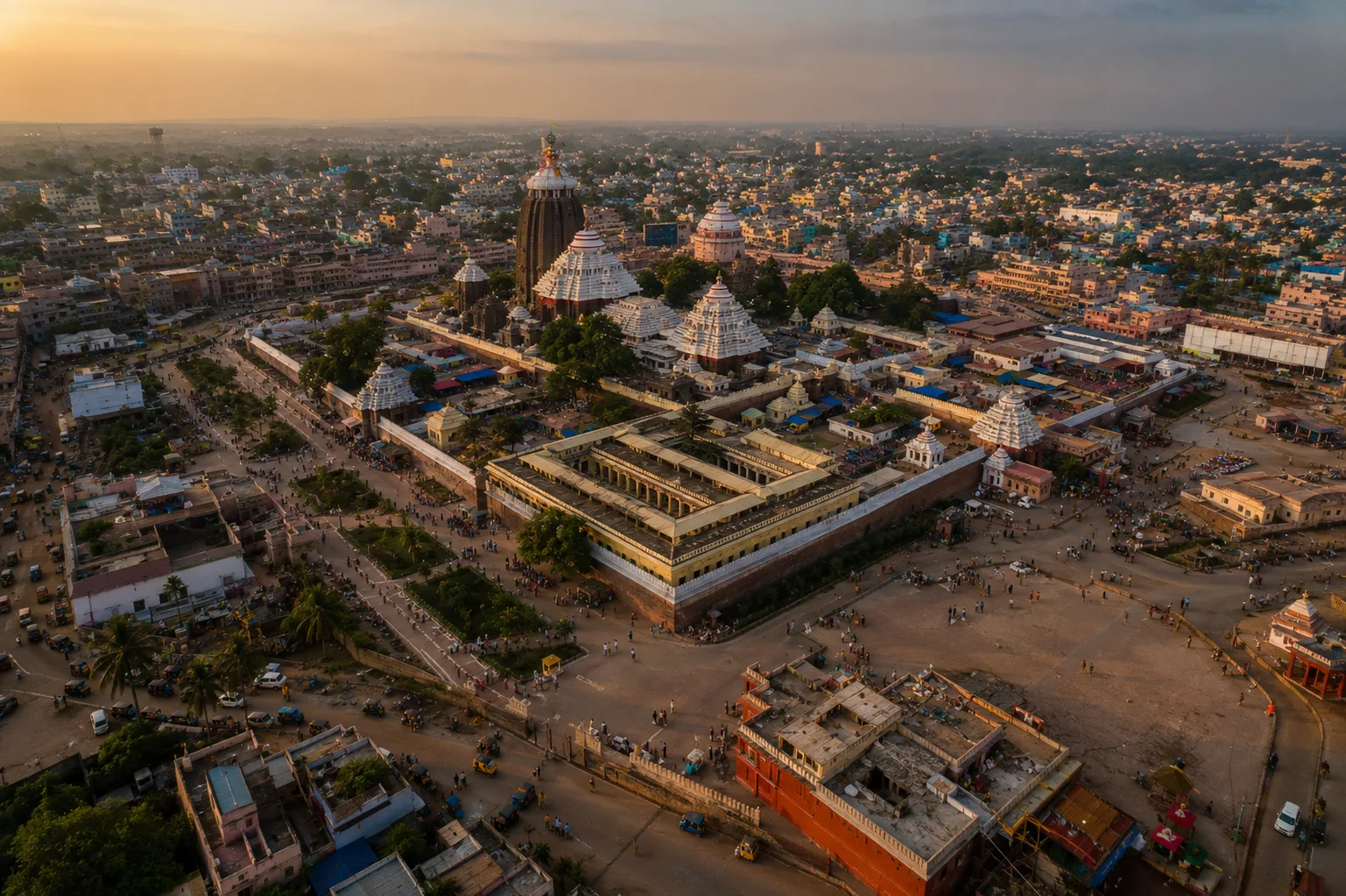
Shree Jagannath Temple is located in the holy city of Puri in Odisha, on India's eastern coast.

Puri is one of Odisha's most important pilgrimage and cultural destinations. The city is situated near the Bay of Bengal and is also famous for its long sandy beaches and spiritual atmosphere.

The temple stands in the heart of the old city and forms the centre of Puri's religious life.

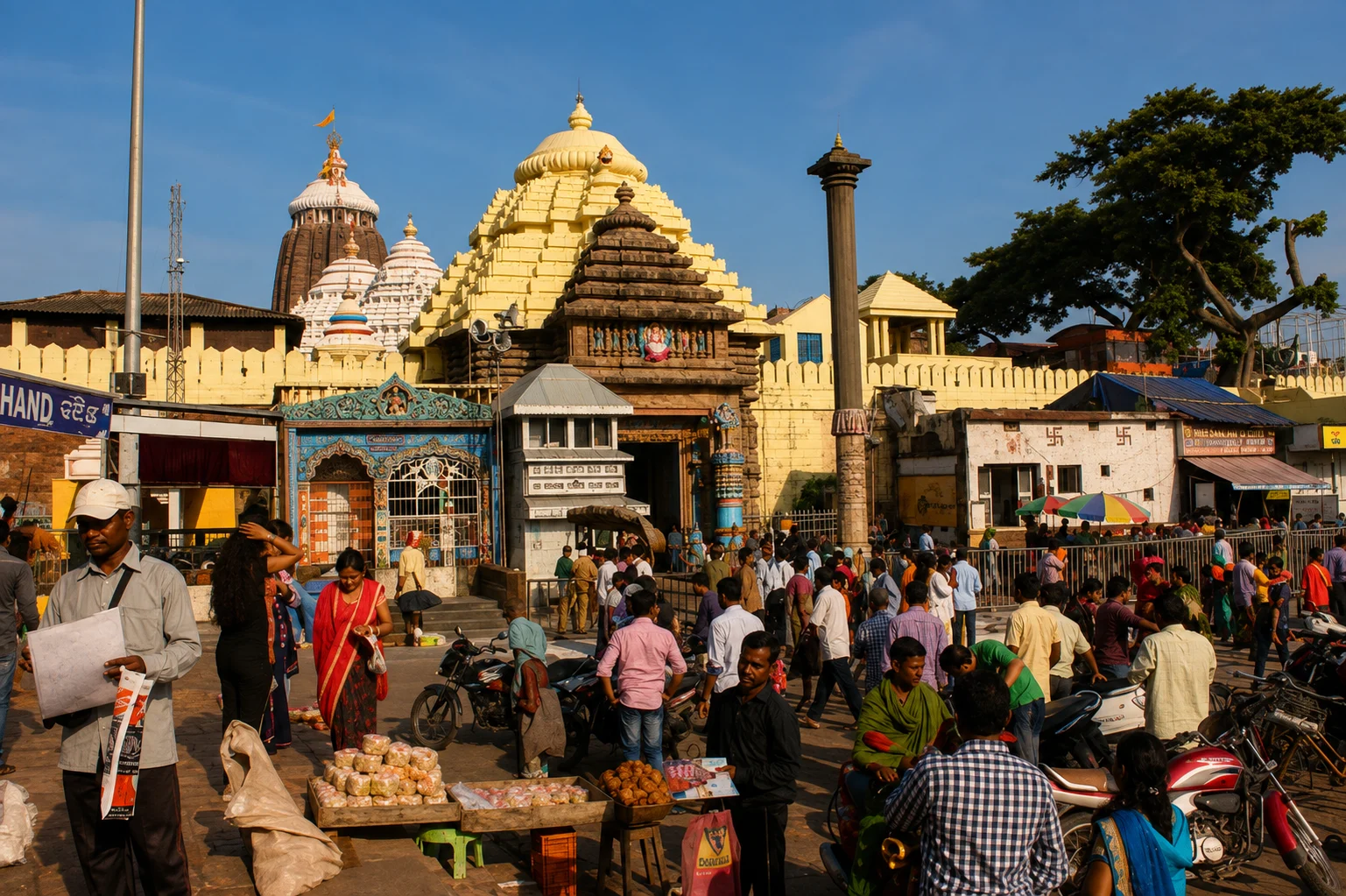
Visitors approaching the temple encounter a city shaped by centuries of pilgrimage. The streets around the temple are filled with devotees, traditional shops, religious offerings and local food associated with the Jagannath tradition.

Puri is also well connected to Bhubaneswar and other major cities of Odisha, making it a popular destination for pilgrims and travellers.

For devotees, however, the journey to Puri is not simply a trip to a coastal city—it is a pilgrimage to one of India's most sacred manifestations of Lord Vishnu.

Who Is the Main Deity of Shree Jagannath Temple?

The main deity of the temple is Lord Jagannath, traditionally revered as a form of Lord Vishnu.

Lord Jagannath is worshipped alongside his elder brother Balabhadra and sister Subhadra. Together, the three deities form the spiritual heart of the Jagannath Temple.

The appearance of the Jagannath deities is distinctive. Their large circular eyes and unique wooden forms are unlike the conventional anthropomorphic representations commonly seen in Hindu temples.

The wooden deities are traditionally renewed during the special Nabakalebara ceremony, which takes place according to a specific ritual calendar.

The name Jagannath means "Lord of the Universe," reflecting the universal nature of the deity's worship.

For devotees, Lord Jagannath represents divine compassion, devotion and the belief that the Lord is accessible to everyone who approaches him with sincere faith.

Why Is Shree Jagannath Temple So Important?

The importance of the Jagannath Temple comes from several layers of religious tradition.

First, Puri is one of the four sacred Char Dham pilgrimage destinations. Devotees undertaking a Char Dham pilgrimage consider a visit to Jagannath Puri an essential part of their spiritual journey.

Second, the temple is one of the most important centres of Vaishnavism in India. Its traditions have influenced religious practices, literature, music and culture throughout Odisha and beyond.

The temple is also famous for its extraordinary Rath Yatra. During the festival, Lord Jagannath, Balabhadra and Subhadra are ceremonially taken out of the temple and placed on enormous chariots.

The three chariots then travel towards the Gundicha Temple, accompanied by vast crowds of devotees.

Another major aspect of the temple's importance is its Mahaprasad tradition. Food prepared in the temple kitchens is offered to Lord Jagannath and subsequently distributed as sacred Mahaprasad.

The temple kitchen is itself a remarkable part of the Jagannath tradition, with a long-established system of preparing and offering food to the deities.

Together, these traditions make Puri Jagannath Temple one of the most influential living temple traditions in India.

What Makes a Visit to Shree Jagannath Temple Special?

Imagine arriving in Puri and walking through the historic streets towards the towering temple complex.

The atmosphere changes as you approach the sacred area. Devotees arrive from different parts of India, many carrying offerings and chanting the name of Lord Jagannath.

For many pilgrims, the most important moment is receiving darshan of Lord Jagannath, Balabhadra and Subhadra.

The spiritual experience is not limited to the main darshan. The temple's centuries-old rituals, traditional offerings and the constant movement of devotees create an atmosphere that feels deeply connected with Odisha's religious heritage.

A visit during the Rath Yatra offers an entirely different experience. The enormous chariots, massive gathering of devotees, traditional music and rituals transform the entire city of Puri into a celebration of devotion.

The Mahaprasad tradition is another important part of the pilgrimage. Devotees consider the food offered to Lord Jagannath sacred, and sharing Mahaprasad is an important cultural and spiritual tradition.

Even outside the major festivals, Puri remains a living pilgrimage centre where the daily worship of Lord Jagannath continues throughout the year.

For devotees, visiting Jagannath Puri can therefore be more than simply seeking blessings—it can be an opportunity to experience a centuries-old tradition of devotion that continues to shape the cultural identity of Odisha.

Final Thoughts

Shree Jagannath Temple, Puri is much more than one of India's most famous temples. It is a living centre of faith, devotion, tradition and culture.

For devotees, Lord Jagannath represents the Lord of the Universe and a divine presence that welcomes those who approach with sincere devotion.

For pilgrims, Puri holds special significance as one of the four Char Dham destinations.

For travellers, the temple offers an opportunity to experience the unique religious traditions of Odisha, from the distinctive wooden deities to the magnificent Rath Yatra and the sacred Mahaprasad tradition.

The relationship between Lord Jagannath and the people of Odisha is particularly deep. Jagannath is not simply worshipped as a deity; the traditions surrounding him have become an integral part of the cultural identity of the region.

The annual Rath Yatra demonstrates this connection on a spectacular scale, bringing together millions of devotees in one of India's most extraordinary religious celebrations.

If you are planning a spiritual journey through Odisha, Shree Jagannath Temple in Puri deserves a prominent place on your itinerary. The temple's ancient traditions, powerful devotion and unique cultural heritage make it a pilgrimage experience unlike any other.

Acharya Radhika - Love & Relationship Expert
Written & Verified by Acharya Radhika

Love & Relationship Expert • 6 Years

Specialist in Vedic astrology, birth chart analysis, and remedies on AstroZiva.

Consult with Acharya Radhika

Frequently Asked Questions

1. Where is Shree Jagannath Temple located?

Shree Jagannath Temple is located in Puri, Odisha, on India's eastern coast. Puri is one of the most important pilgrimage destinations in Odisha and is traditionally regarded as one of the four Char Dham pilgrimage sites.

2. Who are the main deities of Jagannath Temple?

The principal deities are Lord Jagannath, his elder brother Balabhadra and his sister Subhadra. They are worshipped together as the central deities of the temple.

3. Why is Jagannath Temple considered one of the Char Dham?

Puri is traditionally regarded as one of the four sacred Char Dham pilgrimage destinations of Hinduism. The other three are Badrinath, Dwarka and Rameswaram.

4. What is the Rath Yatra of Lord Jagannath?

Rath Yatra is the most famous festival associated with the Jagannath Temple. During the festival, Lord Jagannath, Balabhadra and Subhadra are ceremonially taken out of the temple and travel on enormous wooden chariots towards the Gundicha Temple.

5. What is special about the idols of Lord Jagannath?

The principal deities of the Jagannath Temple are traditionally made from sacred wood rather than conventional stone or metal. Their distinctive forms, especially their large circular eyes, are an important feature of Jagannath worship.

The wooden deities are periodically renewed through the special Nabakalebara ritual.

6. What is Mahaprasad at Jagannath Temple?

Mahaprasad is the sacred food prepared in the temple kitchen, offered to Lord Jagannath and then distributed to devotees. It is an important part of the religious and cultural traditions of the Jagannath Temple.

7. When is Rath Yatra celebrated?

Rath Yatra is celebrated annually according to the Hindu lunar calendar, on the second day of the bright fortnight of Ashadha. The exact date changes each year according to the calendar.