General

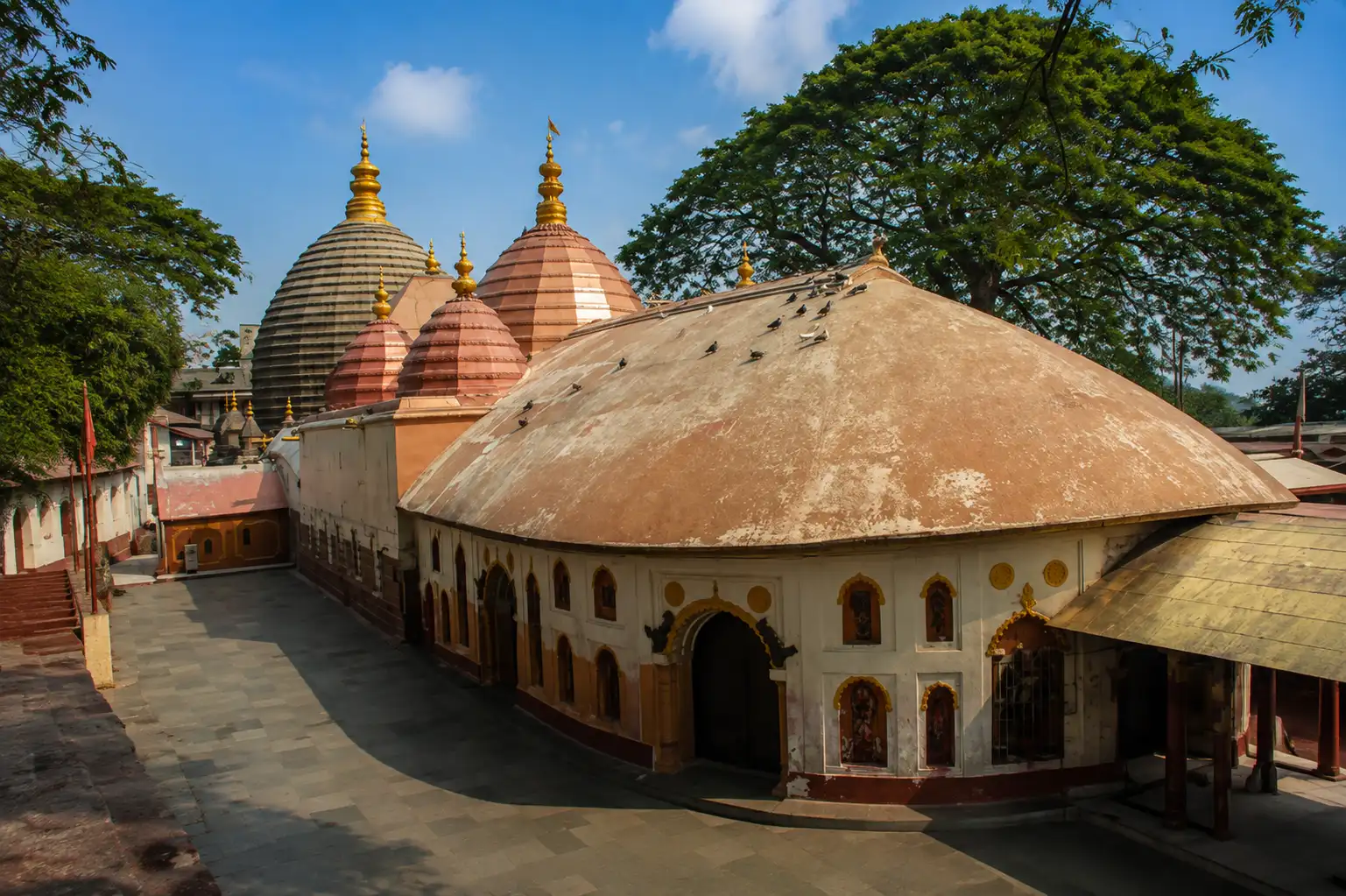
Maa Kamakhya Temple, Kamakhya

Guwahati , Assam Deity: Maa Kamakhya
Acharya Devraj
Acharya Devraj (Verified Astrologer) September 1, 2026
Read in:

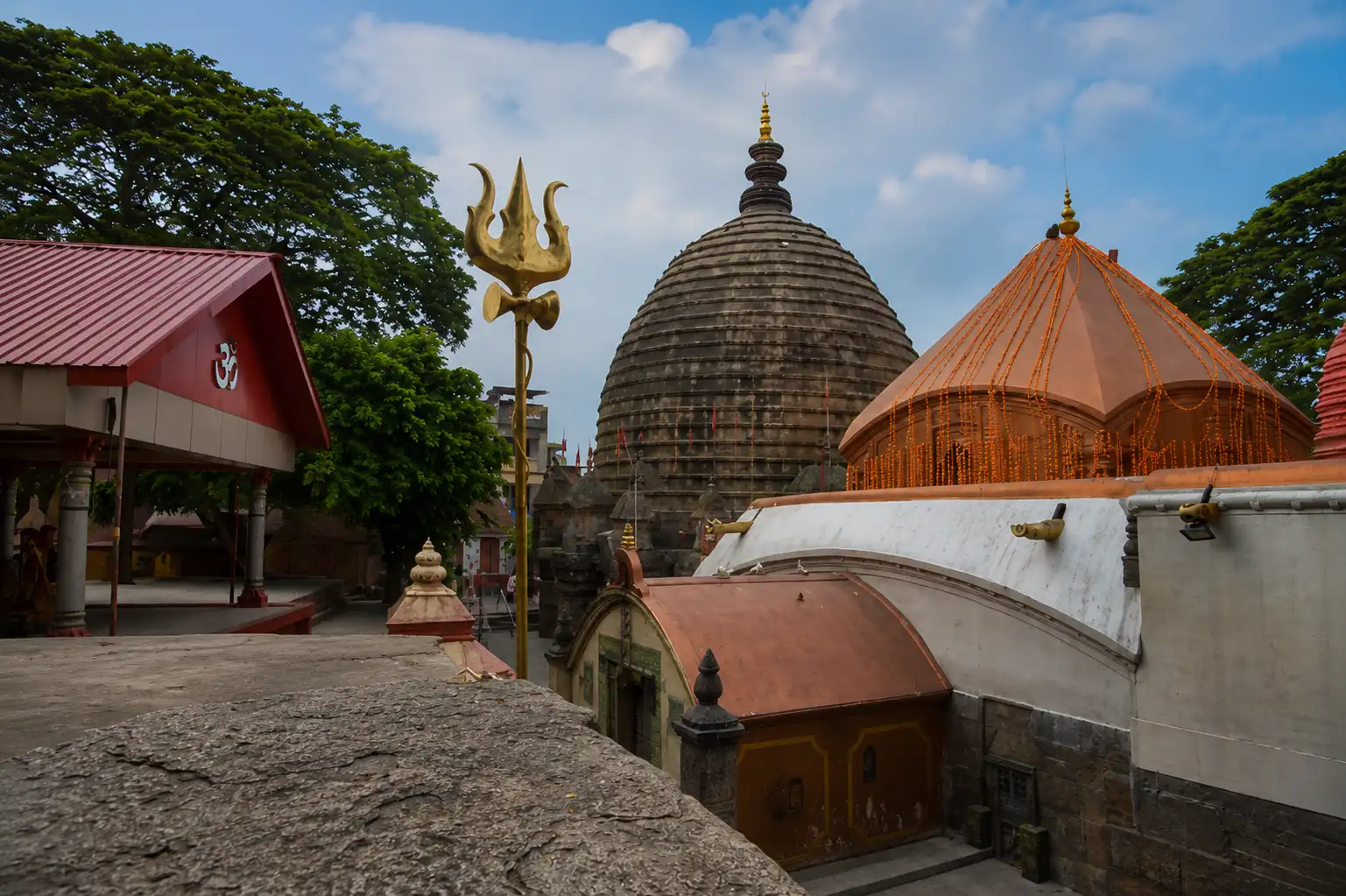
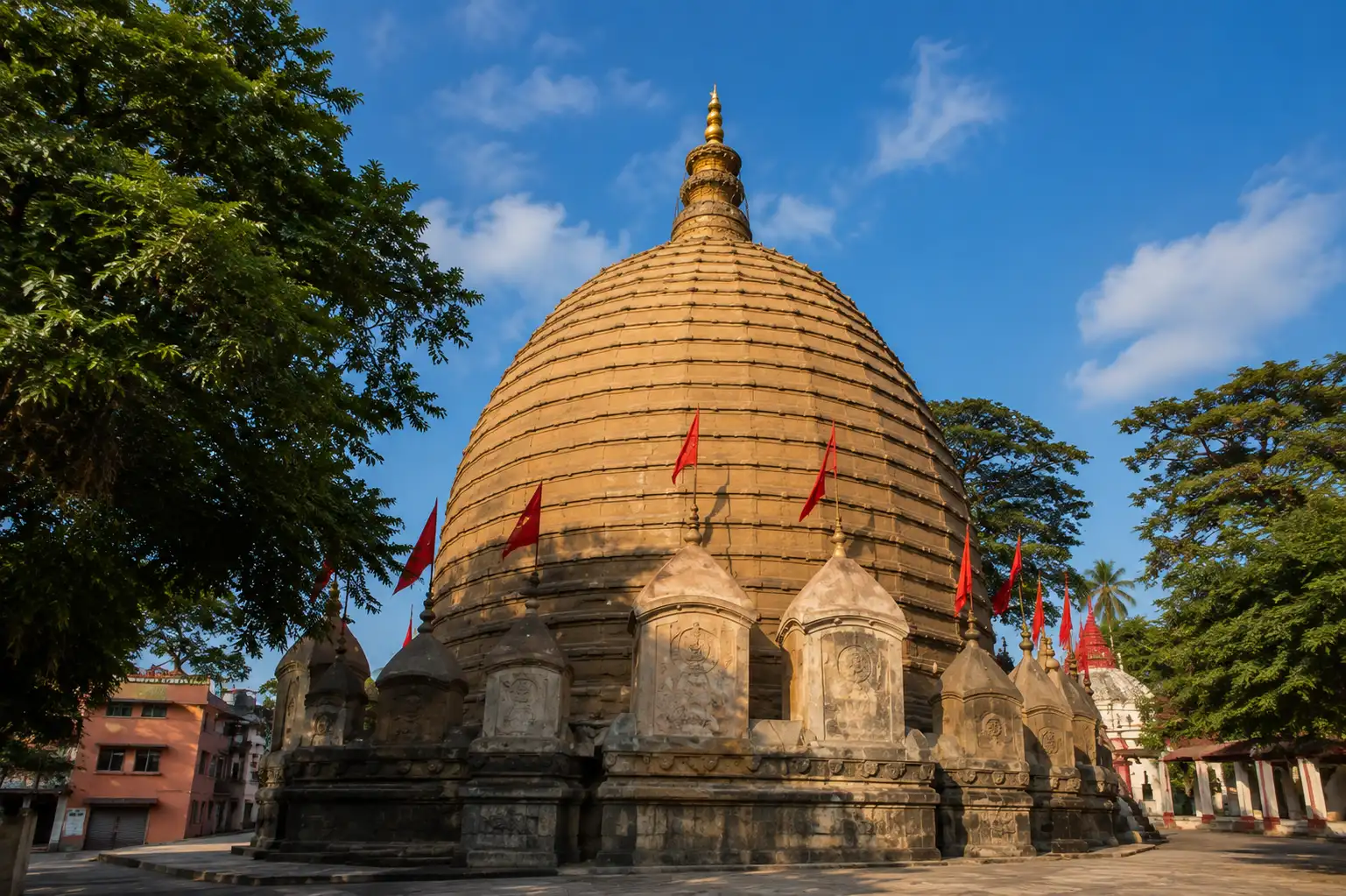
There are many sacred temples in India, but very few carry the same spiritual importance and unique religious traditions as Maa Kamakhya Temple in Assam. Located on the Nilachal Hill in Guwahati, the temple is one of the most revered Shakti shrines in India and an important centre of Shaktism and Tantric worship.

For millions of devotees, Kamakhya is not simply a temple—it is a sacred centre associated with the divine feminine power, fertility and Shakti. The temple is especially unique because the presiding Goddess is not worshipped through a conventional idol. Instead, Maa Kamakhya is revered in the form of a naturally significant yoni-shaped stone associated with the sacred Shakti Peetha tradition.

The temple becomes especially significant during the annual Ambubachi Mela, when devotees and spiritual seekers from across India and beyond gather at Nilachal Hill to experience one of the most important celebrations associated with Maa Kamakhya.

Maa Kamakhya Temple – Quick Details

Information Details
Temple Name Kamakhya Temple
Popular Name Maa Kamakhya Temple
Location Nilachal Hill, Guwahati, Assam, India
State Assam
Main Deity Maa Kamakhya
Deity Form Yoni-shaped sacred stone
Religious Tradition Hinduism, Shaktism & Tantric tradition
Famous For Shakti Peetha and Ambubachi Mela
Major Festival Ambubachi Mela


History & Significance

The history and spiritual significance of Maa Kamakhya Temple are deeply connected with the Shakti tradition of Hinduism. Kamakhya is traditionally regarded as one of the most important Shakti Peethas and is particularly revered as a centre of Shakti worship and Tantric practices.

According to the traditional Shakti Peetha story, after the death of Goddess Sati, Lord Shiva carried her body, and various parts of her body are believed to have fallen at different locations across the Indian subcontinent. These sacred locations came to be associated with Shakti Peethas.

Kamakhya is traditionally associated with the sacred yoni of Goddess Sati. The shrine therefore has a distinctive spiritual identity centred on the divine feminine principle and the creative power of Shakti.

Unlike most Hindu temples where the principal deity is represented by an idol, Maa Kamakhya is worshipped through a yoni-shaped stone that is associated with a natural underground spring. This distinctive form of worship is one of the features that makes Kamakhya different from many other major temples in India.

Over time, Kamakhya became an important centre for Shaktism and Tantric traditions. The Nilachal Hill complex also contains temples associated with several forms of the Divine Mother, including the Mahavidyas, making the entire hill an important spiritual landscape.
Additional Information

Where Is Maa Kamakhya Temple Located?

Maa Kamakhya Temple is located on Nilachal Hill in Guwahati, Assam. Guwahati is the largest city in Assam and an important gateway to the northeastern region of India.

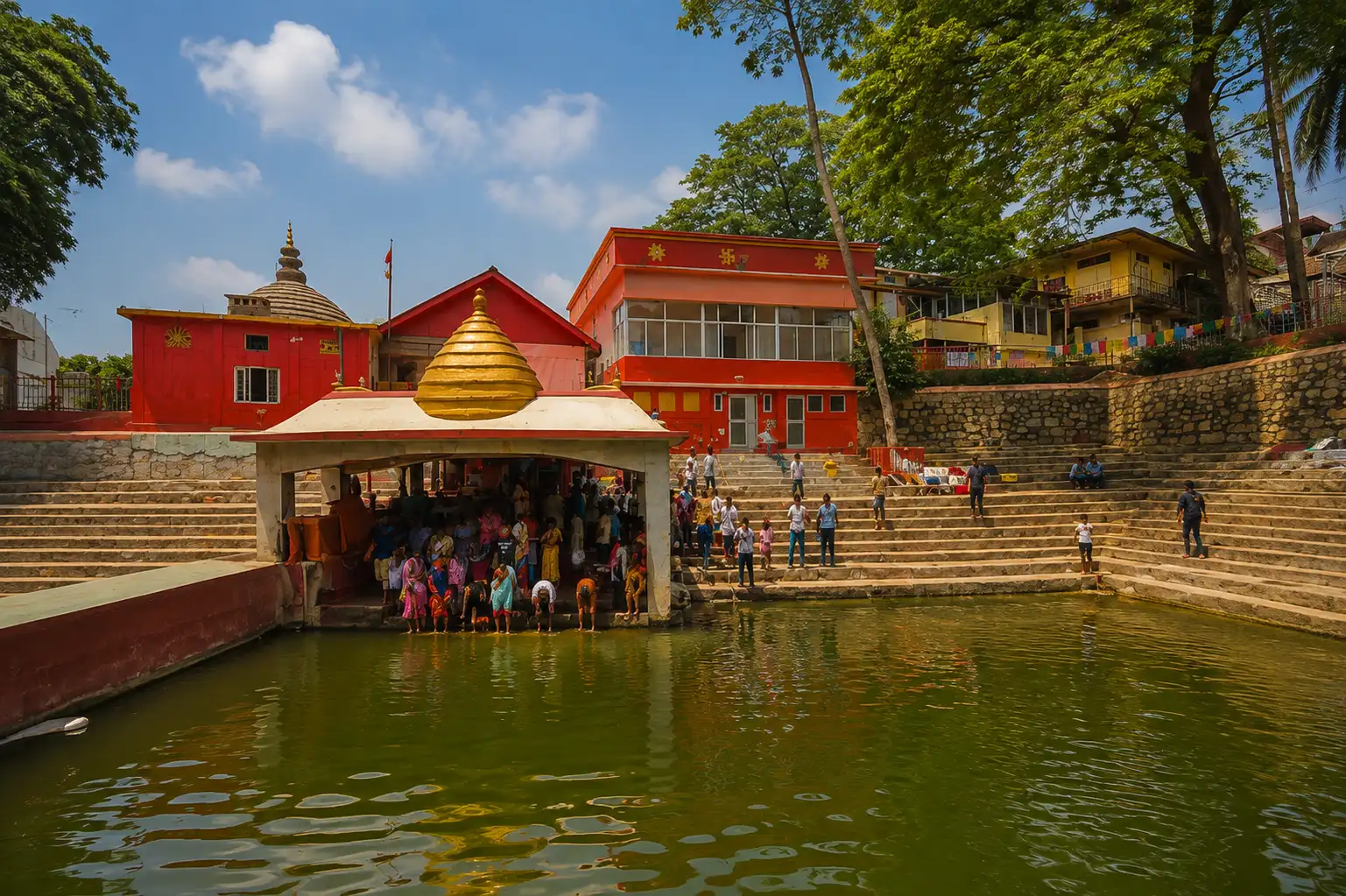
The temple's hilltop location gives visitors a spiritual as well as scenic experience. The surrounding Nilachal Hill complex contains several other important temples dedicated to different forms of the Goddess and Lord Shiva.

For someone visiting Kamakhya for the first time, the main temple is naturally the central attraction. However, the pilgrimage experience can become even more meaningful when visitors explore the other sacred shrines located around Nilachal Hill.

Among the associated shrines are temples connected with different forms of the Divine Mother, including Bhubaneswari, Kali, Tara, Chinnamasta, Bhairavi, Dhumavati, Bagalamukhi, Matangi and Kamala. The hill also has several Shiva temples.

Who Is the Main Deity of Maa Kamakhya Temple?

The main deity of Kamakhya Temple is Maa Kamakhya, a revered manifestation of the Divine Mother and Shakti.

One of the most distinctive aspects of the temple is that there is no conventional idol of Maa Kamakhya. The Goddess is worshipped in the form of a sacred yoni-shaped stone situated within the sanctum. A natural spring is associated with the sacred site and keeps the stone naturally moist.

For devotees, Maa Kamakhya represents the powerful and creative aspect of Shakti. The temple's traditions place special importance on feminine energy, fertility and the eternal creative power of nature.

This makes Kamakhya different from many other pilgrimage destinations, where devotees generally worship a visible image or idol of the deity.

Why Is Maa Kamakhya Temple So Important?

The importance of Maa Kamakhya Temple comes from several layers of faith, mythology and spiritual tradition.

First, Kamakhya is regarded as one of the most important Shakti Peethas. Second, the temple is one of the major centres associated with Shaktism and Tantric practices.

Another major reason for its importance is the unique form in which Maa Kamakhya is worshipped. Rather than a conventional idol, the Goddess is represented through the sacred yoni-shaped stone.

The temple is also famous for Ambubachi Mela, an annual festival that symbolically celebrates the menstrual cycle of the Goddess and the fertility of Mother Earth. The festival attracts large numbers of pilgrims, sadhus and spiritual seekers.

For many devotees, therefore, visiting Kamakhya is more than visiting an ancient temple. It is an opportunity to experience one of India's most distinctive traditions of Goddess worship.

What Makes a Visit to Maa Kamakhya Temple Special?

Imagine arriving in Guwahati and slowly making your way towards Nilachal Hill. As you approach the temple, you encounter pilgrims, families, devotees and spiritual seekers who have travelled from different parts of India.

For many visitors, the most important moment is entering the sanctum and seeking the blessings of Maa Kamakhya.

The spiritual atmosphere becomes particularly intense during major festivals, especially Ambubachi Mela. During this period, the temple becomes the centre of a large gathering of devotees and spiritual practitioners.

The experience is also different from visiting a temple with a traditional idol. The central form of worship at Kamakhya is connected with the sacred yoni-shaped stone, making the pilgrimage deeply associated with Shakti and the creative power of nature.

Visitors can also explore the other temples located throughout the Nilachal Hill complex. The presence of several forms of the Goddess and associated Shiva temples adds another dimension to the pilgrimage experience.

For devotees of Shakti, Kamakhya can therefore feel like much more than a temple visit—it can feel like entering a living spiritual tradition that has continued for generations.

Final Thoughts

Maa Kamakhya Temple, Assam is much more than a famous pilgrimage destination. It represents Shakti, devotion, ancient traditions and the powerful spiritual connection between the Divine Mother and the forces of nature.

For devotees, a journey to Kamakhya can be deeply personal and spiritual. For those interested in India's religious heritage, the temple offers a fascinating insight into Shaktism, Goddess worship and Tantric traditions. And for travellers, the temple provides an opportunity to experience one of Assam's most important cultural and spiritual landmarks.

The annual Ambubachi Mela adds another unique dimension to the temple's identity, bringing together devotees, saints, sadhus and spiritual seekers at Nilachal Hill.

If you are planning a spiritual journey through Assam, Maa Kamakhya Temple deserves a prominent place on your list. The temple, the Nilachal Hill, the surrounding shrines and the unique traditions of Maa Kamakhya together create an experience that is difficult to understand simply through words—you have to experience the sacred atmosphere yourself.

Acharya Devraj - Career & Job Expert
Written & Verified by Acharya Devraj

Career & Job Expert • 11 Years

Specialist in Vedic astrology, birth chart analysis, and remedies on AstroZiva.

Consult with Acharya Devraj

Frequently Asked Questions

1. Where is Maa Kamakhya Temple located?

Maa Kamakhya Temple is located on Nilachal Hill in Guwahati, Assam, India. It is one of the most important pilgrimage destinations in Assam and a major Shakti shrine.

2. Who is the main deity of Kamakhya Temple?

The main deity is Maa Kamakhya, a revered manifestation of Shakti or the Divine Mother. Unlike temples where the Goddess is represented by a conventional idol, Maa Kamakhya is worshipped through a sacred yoni-shaped stone in the sanctum.

3. Why is Kamakhya Temple considered a Shakti Peetha?

According to the traditional Shakti Peetha tradition, the sacred yoni of Goddess Sati is believed to have fallen at Kamakhya. This makes the temple one of the most important sacred sites associated with Goddess Shakti.

4. What is Ambubachi Mela at Kamakhya Temple?

Ambubachi Mela is the most famous annual festival associated with Kamakhya Temple. It symbolically represents the yearly menstrual cycle of Mother Earth through the Goddess Kamakhya and celebrates feminine reproductive energy and fertility. The festival attracts large numbers of pilgrims and spiritual seekers.

5. What is unique about Maa Kamakhya Temple?

One of the most unique features of Kamakhya Temple is that there is no conventional idol of the presiding Goddess. Maa Kamakhya is worshipped in the form of a sacred yoni-shaped stone associated with a natural spring. The temple is also renowned for its Shakti and Tantric traditions.