General

Kalighat Kali Temple, Kolkata

Kolkata , West Bengal Deity: Maa Kali
Acharya Radhika
Acharya Radhika (Verified Astrologer) September 1, 2026
Read in:

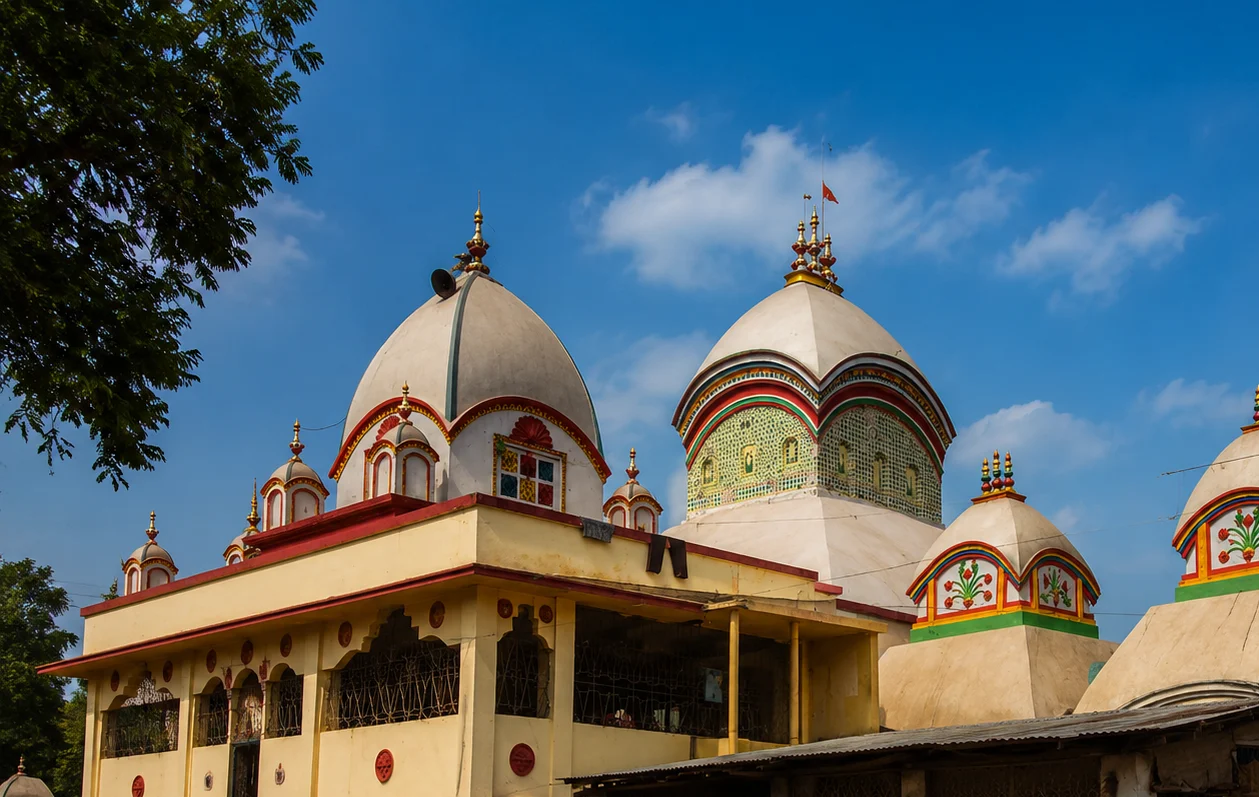
Among India's most revered temples dedicated to Goddess Kali, Kalighat Kali Temple in Kolkata holds a special place in the spiritual and cultural heritage of Bengal. Located in the Kalighat area of South Kolkata, the temple is traditionally regarded as one of the most important Shakti Peethas and attracts devotees throughout the year.

For devotees, Kalighat is not simply a temple—it is a powerful centre of Shakti worship, where Maa Kali is worshipped as the Divine Mother and protector of her devotees. The temple's traditions, distinctive deity image and deep connection with Bengal's religious culture make it one of Kolkata's most important pilgrimage destinations.

The temple stands near the Adi Ganga, an ancient channel associated with the Ganges, and its sacred surroundings have been an important destination for pilgrims for generations.

The temple becomes especially vibrant during festivals such as Kali Puja, Durga Puja, Poila Boishakh and Sankranti, when large numbers of devotees visit the shrine to seek the blessings of Maa Kali.

Kalighat Kali Temple – Quick Details

Information Details
Temple Name Kalighat Kali Temple
Popular Name Kalighat Temple / Maa Kali Temple
Location Kalighat, Kolkata, West Bengal, India
State West Bengal
Main Deity Maa Kali
Deity Form Goddess Kali
Religious Tradition Hinduism & Shaktism
Famous For Shakti Peetha and Maa Kali worship
Major Festivals Kali Puja, Durga Puja, Poila Boishakh & Sankranti


History & Significance

The history of Kalighat Kali Temple is deeply connected with the worship of Shakti and the religious traditions of Bengal.

Kalighat is traditionally regarded as one of the major Shakti Peethas, sacred sites associated with Goddess Sati. According to the traditional mythology of the Shakti Peethas, parts of Sati's body are believed to have fallen at different locations when Lord Shiva carried her body during his cosmic dance. Kalighat is revered as one of these sacred locations.

The history of the temple itself has evolved over several centuries. West Bengal Tourism records that the original temple was associated with Raja Basanta Roy, the uncle of Pratapaditya and King of Jessore.

The location of Kalighat has also changed in relation to the river. The temple was historically associated with the Hooghly, while the river channel gradually shifted and the temple is now situated beside the Adi Ganga.

Over generations, Kalighat developed into one of the most important centres of Kali worship in Bengal. Pilgrims, travellers and devotees visiting Kolkata have traditionally made their way to the temple to offer prayers to Maa Kali.

The temple's spiritual identity is closely connected with the fierce yet compassionate form of the Divine Mother. For devotees, Maa Kali represents the power that destroys negativity, protects her children and leads them towards spiritual transformation.

Additional Information

Where Is Kalighat Kali Temple Located?

Kalighat Kali Temple is located in South Kolkata, West Bengal, near the Adi Ganga. The temple is situated in one of the city's historic religious neighbourhoods and remains one of the most visited pilgrimage destinations in Kolkata.

The temple is well connected to different parts of Kolkata by road and public transport. The nearest metro stations include Kalighat and Jatin Das Park, from where visitors can continue their journey by local transport or walk towards the temple.

The nearest major railway stations are Howrah and Sealdah, while Netaji Subhash Chandra Bose International Airport provides air connectivity for visitors travelling from outside Kolkata.

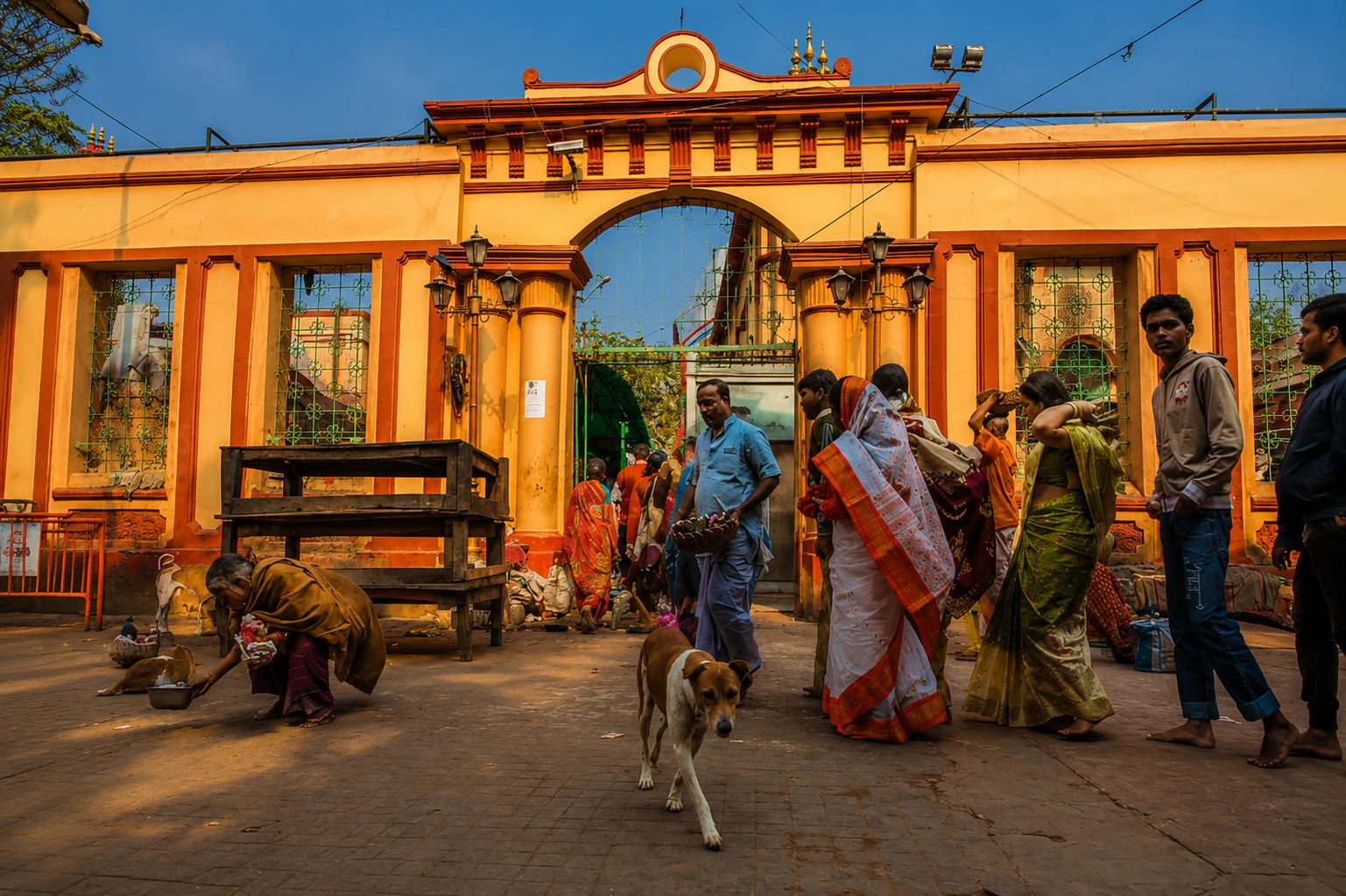
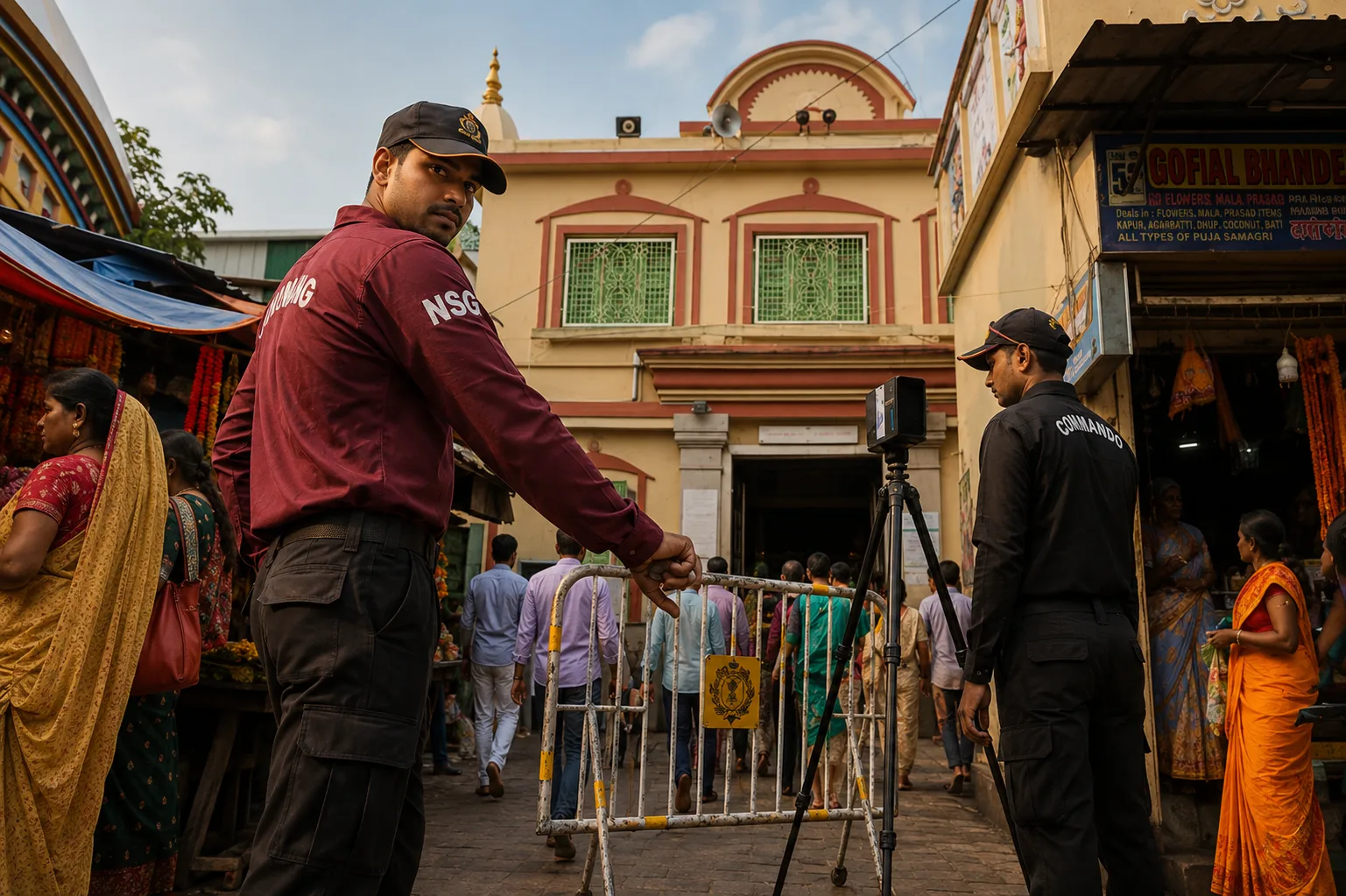
The surrounding area has developed around the temple's centuries-old pilgrimage tradition. Shops selling flowers, offerings, devotional items and traditional products form part of the experience for many visitors.

Who Is the Main Deity of Kalighat Kali Temple?

The main deity of Kalighat Kali Temple is Maa Kali, one of the most powerful and revered manifestations of the Divine Mother.

Maa Kali is traditionally associated with Shakti—the divine feminine power. She is often understood as the force that destroys evil, removes fear and protects devotees from negative forces.

The image of Maa Kali at Kalighat is particularly distinctive. One of its most recognisable features is the long protruding tongue, which is made from gold. The unique appearance of the deity has become one of the defining visual symbols associated with Kalighat Temple.

For devotees, however, the significance of Maa Kali goes far beyond her physical representation. She is regarded as the compassionate Mother who protects her devotees while simultaneously representing the powerful force of transformation.

Why Is Kalighat Kali Temple So Important?

Kalighat Kali Temple is important for several reasons.

The first is its traditional status as a major Shakti Peetha. For devotees of Shakti, visiting a Shakti Peetha is considered a deeply meaningful pilgrimage experience. Kalighat's association with Goddess Sati has made it one of the most revered sacred sites in eastern India.

The second reason is its strong connection with the worship of Maa Kali. Kali occupies a particularly important position in the religious and cultural traditions of Bengal.

The temple is also significant because of its distinctive image of Goddess Kali, especially the golden tongue that projects prominently from the deity. This unusual and recognisable representation has become closely associated with Kalighat.

Another important aspect is the temple's connection with the wider spiritual landscape of Kalighat. Within the temple complex there is also a Shiva temple, while another shrine is dedicated to Radha and Krishna.

The temple's festivals further enhance its religious importance. Kali Puja, in particular, brings the city alive with devotion, lights, prayers and celebrations dedicated to Maa Kali.

What Makes a Visit to Kalighat Kali Temple Special?

Imagine entering the historic Kalighat neighbourhood of Kolkata and gradually approaching one of Bengal's most revered temples.

The atmosphere around the temple is filled with devotees carrying flowers, sweets and offerings for Maa Kali. The sounds of bells, prayers and devotional chants create a distinctive spiritual atmosphere.

For many visitors, the most important moment is entering the temple and having darshan of Maa Kali.

The deity's striking appearance immediately captures attention. The long golden tongue, large expressive eyes and powerful form of the Goddess create an unforgettable image for devotees.

A visit to Kalighat is also an opportunity to experience an important part of Bengal's living religious heritage. The temple is not merely a historical monument—it continues to function as an active place of worship where devotees come every day.

The experience becomes particularly vibrant during Kali Puja, when large numbers of devotees gather to worship the Goddess. Durga Puja, Poila Boishakh and Sankranti are also important occasions when the temple attracts many visitors.

For someone visiting Kolkata for the first time, Kalighat offers a glimpse into the city's deep connection with Shakti worship and the cultural traditions surrounding Maa Kali.

Final Thoughts

Kalighat Kali Temple is much more than one of Kolkata's famous temples. It represents the enduring spiritual tradition of Maa Kali and the deep-rooted connection between Bengal and Shakti worship.

For devotees, a visit to Kalighat can be a deeply personal experience—a moment to seek the blessings, protection and strength of the Divine Mother.

For travellers interested in India's religious heritage, the temple provides an opportunity to experience one of the country's most important Shakti pilgrimage sites.

Its traditional connection with the Shakti Peetha tradition, distinctive image of Maa Kali, historic association with the Adi Ganga and vibrant festivals all contribute to the temple's unique identity.

The surrounding streets, devotional markets and continuous flow of pilgrims make Kalighat feel like a living part of Kolkata rather than simply an ancient monument.

If you are travelling through Kolkata and wish to experience the spiritual heart of Bengal, Kalighat Kali Temple deserves a place on your journey. The temple's atmosphere, traditions and devotion to Maa Kali create an experience that is best understood by visiting the sacred shrine yourself.

Acharya Radhika - Love & Relationship Expert
Written & Verified by Acharya Radhika

Love & Relationship Expert • 6 Years

Specialist in Vedic astrology, birth chart analysis, and remedies on AstroZiva.

Consult with Acharya Radhika

Frequently Asked Questions

1. Where is Kalighat Kali Temple located?

Kalighat Kali Temple is located in South Kolkata, West Bengal, near the Adi Ganga. It is one of the most important pilgrimage destinations in Kolkata.

2. Who is the main deity of Kalighat Temple?

The main deity is Maa Kali, one of the most powerful manifestations of Shakti or the Divine Mother. The Goddess is worshipped as the principal deity of the temple.

3. Why is Kalighat Temple considered a Shakti Peetha?

According to the traditional Shakti Peetha tradition, Kalighat is one of the sacred places associated with the body parts of Goddess Sati. This makes it an important pilgrimage destination for devotees of Shakti.

4. What is special about the Maa Kali idol at Kalighat?

The image of Maa Kali at Kalighat is particularly recognisable because of its distinctive appearance, including the long protruding tongue made from gold. It is one of the most iconic representations of Goddess Kali.

5. Which festivals are celebrated at Kalighat Kali Temple?

Kali Puja is one of the most important festivals at Kalighat. The temple also sees large numbers of devotees during Durga Puja, Poila Boishakh, Sankranti and other significant religious occasions.