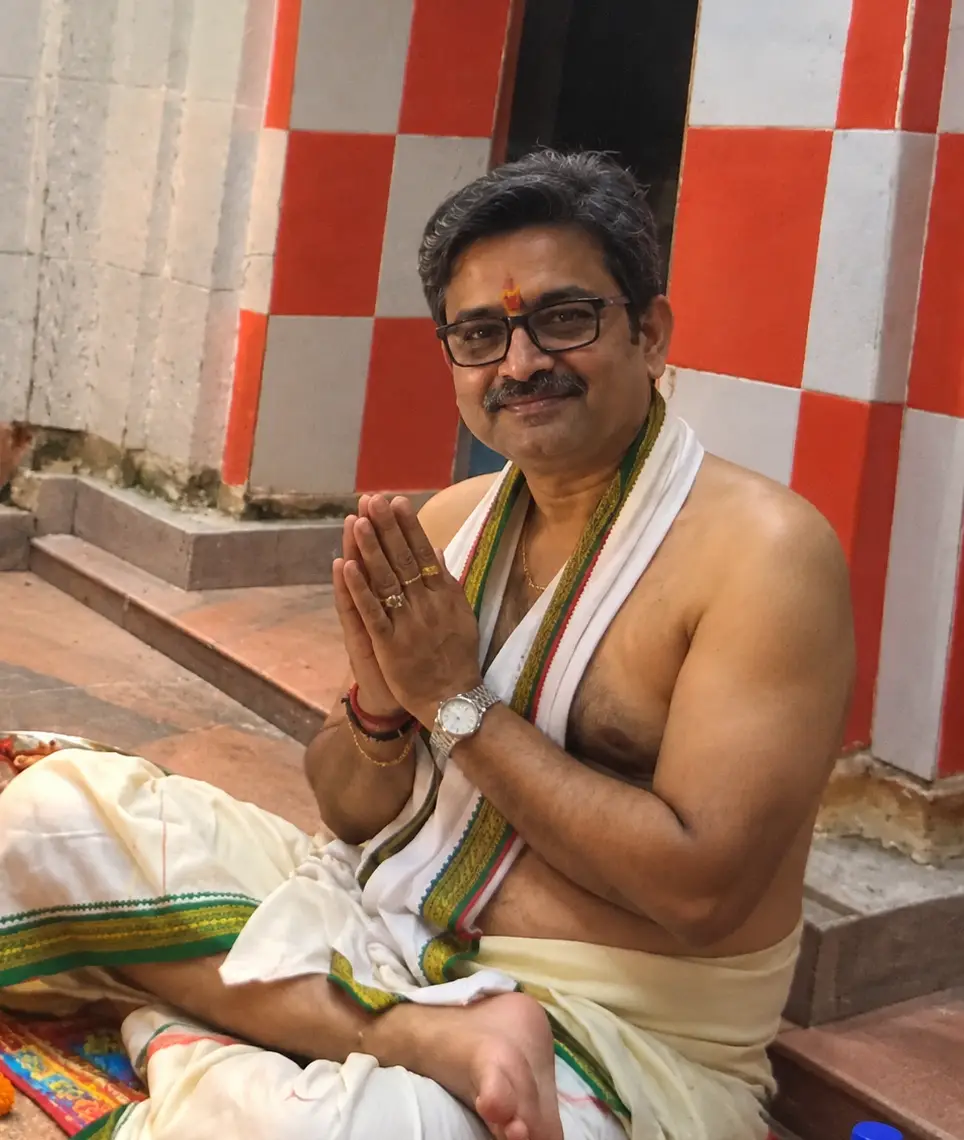
“Exam hai? Dahi-cheeni kha ke jaana.”
First job interview?
Dahi-cheeni.
Important meeting?
Dahi-cheeni.
Board exam?
Definitely dahi-cheeni.
And somehow, the person feeding it to you was never in a hurry.
A spoonful of sweetened curd. A smile. A few words of encouragement. Maybe a hand on your head.
“Ja, sab achha hoga.”
And suddenly, the thing that felt terrifying five minutes ago didn't seem quite so terrifying.
So what exactly was happening in that little bowl?
Was it a good-luck ritual? A family tradition? A little nutritional boost before a stressful day?
Or was it something more emotional than we ever realised?
More Than Just a Good-Luck Ritual
Dahi-cheeni, a simple combination of curd and sugar, has long been associated with auspicious beginnings in many Indian households.
Before an examination, a job interview, a new journey or another important event, families may offer it as a gesture of encouragement and good wishes.
Curd has traditionally been considered nourishing, while sweetness often symbolises happiness and a positive beginning.
The exact customs and explanations vary between regions and families. Not every Indian household follows this ritual, but for those that do, it can be a familiar way of wishing someone well.
And perhaps that is what makes the tradition so interesting.
It combines something ordinary—a spoonful of food—with something deeply personal: the hope that a loved one will succeed.
But there is also a practical side to this little bowl.
What Does Dahi-Cheeni Bring to the Table?
The nourishment in dahi
Curd is a fermented dairy food that can provide protein, calcium and other nutrients. Depending on how it is prepared, it may also contain live microorganisms associated with fermentation.
Eating curd can contribute to a balanced diet, although its nutritional value depends on the type and quantity consumed.
And what about the sugar?
Sugar provides glucose, which the body uses for energy and the brain relies on as an important fuel source.
However, that does not mean eating sugar immediately makes someone calmer, smarter or more confident. Research on glucose and cognitive performance is complex, and the effects depend on factors such as the person, the task and the circumstances.
There is no strong evidence that a spoonful of dahi-cheeni specifically improves exam performance or guarantees success in an interview.
So perhaps we should not think of the ritual as a secret nutritional formula.
It is food, tradition and emotional reassurance arriving together.
And the emotional part may be what makes the strongest impression.
And Then There Was the Person Feeding You
This may be the part we overlook.
Imagine you're leaving home for the biggest examination of your life.
Your stomach is tight.
Your mind is racing.
You're thinking about everything that could go wrong.
And then your mother, father, grandmother or another family member calls you back.
They give you a spoonful of dahi-cheeni and smile.
No long lecture.
No complicated advice.
Just:
“Ja. Tu kar lega.”
That moment can matter.
Research on social support suggests that feeling supported by trusted people can help individuals cope with stressful situations. Encouragement, reassurance and a sense of connection may influence how someone experiences a difficult moment.
Of course, one spoonful of curd cannot switch off anxiety. Nor does every person respond to stress in the same way.
But a familiar ritual can create a small pause before a demanding experience. It can remind you that someone believes in you, even when you are struggling to believe in yourself.
Perhaps the ashirwad wasn't just a beautiful word.
It was reassurance.
It was familiarity.
It was someone you trusted reminding you that you didn't have to face everything alone.
And when you carry that feeling into an examination hall or interview room, it may become a little easier to focus on what you can actually do.
Suddenly, instead of thinking only about failure, you might begin thinking:
“Let's see what I can do.”
Why Do Small Rituals Make Us Feel More Confident?
Human beings often find comfort in familiar routines, especially when the outcome of an important event is uncertain.
Think about what happens before a big cricket match.
A player might follow the same warm-up routine, wear a familiar wristband or listen to a particular song.
Before an interview, someone might arrange their documents in a particular order, call a parent or take a few deep breaths.
And before an exam, someone else might reach for that familiar spoonful of dahi-cheeni.
These actions do not control the outcome. But routines can help people feel prepared, focused and emotionally grounded.
Psychological research has examined how rituals can influence anxiety, perceived control and performance in certain situations. The effects vary, and a ritual is not a substitute for preparation or skill.
Still, there is a useful distinction between believing that a ritual magically guarantees success and finding comfort in a routine that helps you approach a challenge.
Dahi-cheeni can be meaningful without needing to be magical.
It can serve as a familiar signal that an important moment is approaching—and that you are ready to take the next step.
Is Dahi-Cheeni Really About Good Luck?
For some families, yes. It is a traditional way of wishing someone good luck.
For others, it is connected with blessings, auspicious beginnings or customs inherited from parents and grandparents.
And for many people, it may simply be something their family has always done.
But consider this: the ritual does not need to predict the future to have meaning.
An examination still depends on preparation. An interview still depends on your skills and how you communicate. A new opportunity still comes with uncertainties.
Dahi-cheeni cannot promise that everything will go according to plan.
What it can represent is the hope that things will go well—and the feeling that someone is rooting for you.
Sometimes, that is enough to make an ordinary morning feel special.
The Little Bowl That Carries a Lot of Love
Think about the last time someone in your family gave you dahi-cheeni before something important.
Maybe you were too nervous to eat.
Maybe you were already late.
Maybe you laughed at the tradition but ate it anyway because your grandmother insisted.
Perhaps you didn't think much about it at all.
But look at what happened in that small moment.
Someone remembered what you were about to face.
Someone paused their own routine to wish you well.
Someone offered you a familiar taste of home before you stepped into a world where the outcome was uncertain.
And maybe that's why dahi-cheeni has stayed with so many families.
Not because a spoonful can guarantee the future.
Not because sugar can eliminate fear.
But because, sometimes, before you step into an uncertain world, a little nourishment, a familiar ritual and the blessing of someone who believes in you can help you feel more prepared.
The dahi-cheeni isn't just being fed.
It's a little bit of home being sent with you.
And perhaps that is the sweetest part of all.
Tell us: Did your family give you dahi-cheeni before exams, interviews or important journeys? And who was the person who always made sure you ate it before leaving home?
